
OUR FAVORITE INTERIOR DESIGN STYLES
And why do they work so well in Annapolis, MD
Annapolis is a city built on contrast: colonial brick and open water, historic gravitas and easy waterfront living. That duality is part of what makes it such a rewarding place to design homes. The styles below are the ones we return to again and again — not because they're trendy, but because each one, in its own way, understands the light, the history, and the lifestyle that define this city.
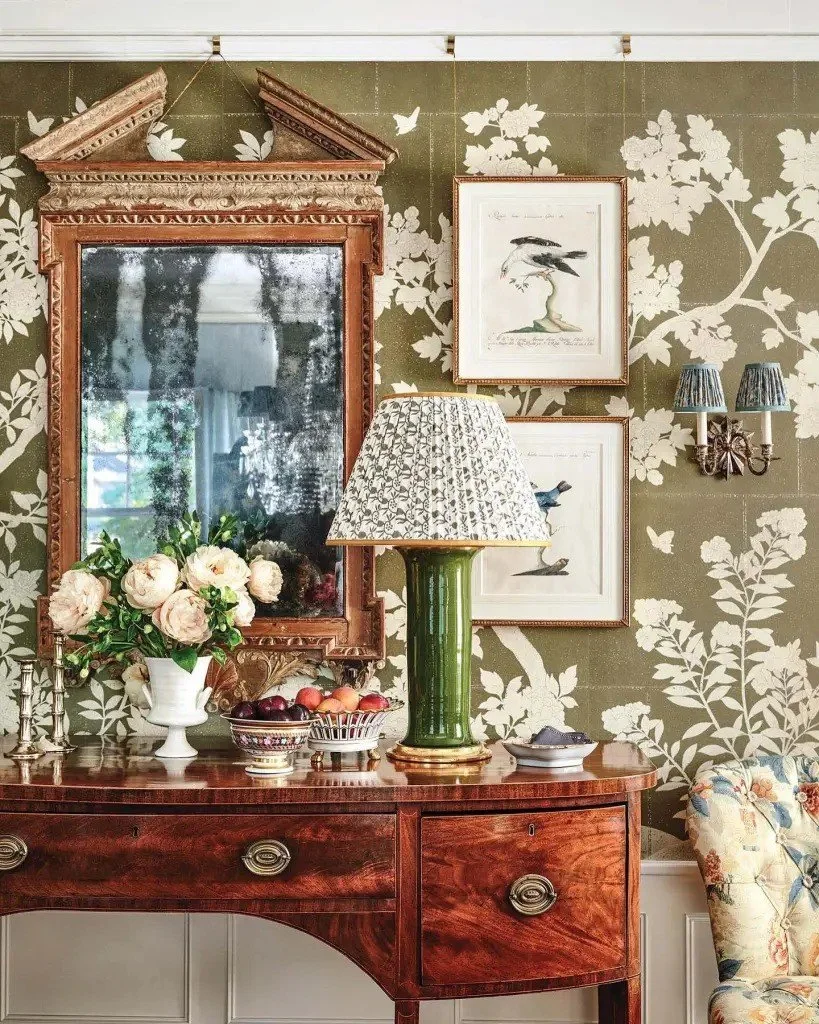
Southern Traditional
Southern Traditional design is warm, layered, and unmistakably gracious. Think glossy millwork, four-poster beds, brass hardware with a soft patina, and fabrics — chintz, ticking stripe, toile — that feel collected rather than purchased all at once. Rooms in this style are symmetrical and formal in bone structure, but never stiff; a well-worn Persian rug or a grandmother's china cabinet keeps things feeling lived-in.
Why we love it: There's a generosity to Southern Traditional interiors. They're designed for gathering — long dining tables, deep sofas, porches meant to be sat on for hours. It's a style that respects craftsmanship and heirlooms, which makes it endlessly personal; no two Southern Traditional homes ever look quite the same.
Why it works in Annapolis: This city was practically built for it. Annapolis's colonial architecture — the Georgian facades, the paneled doors, the fanlight windows — already speaks the same design language as Southern Traditional interiors. Homes here, especially in the historic district and along the older waterfront streets, carry an inherent formality that this style honors rather than fights. It's a natural, almost inevitable pairing.
California Coastal
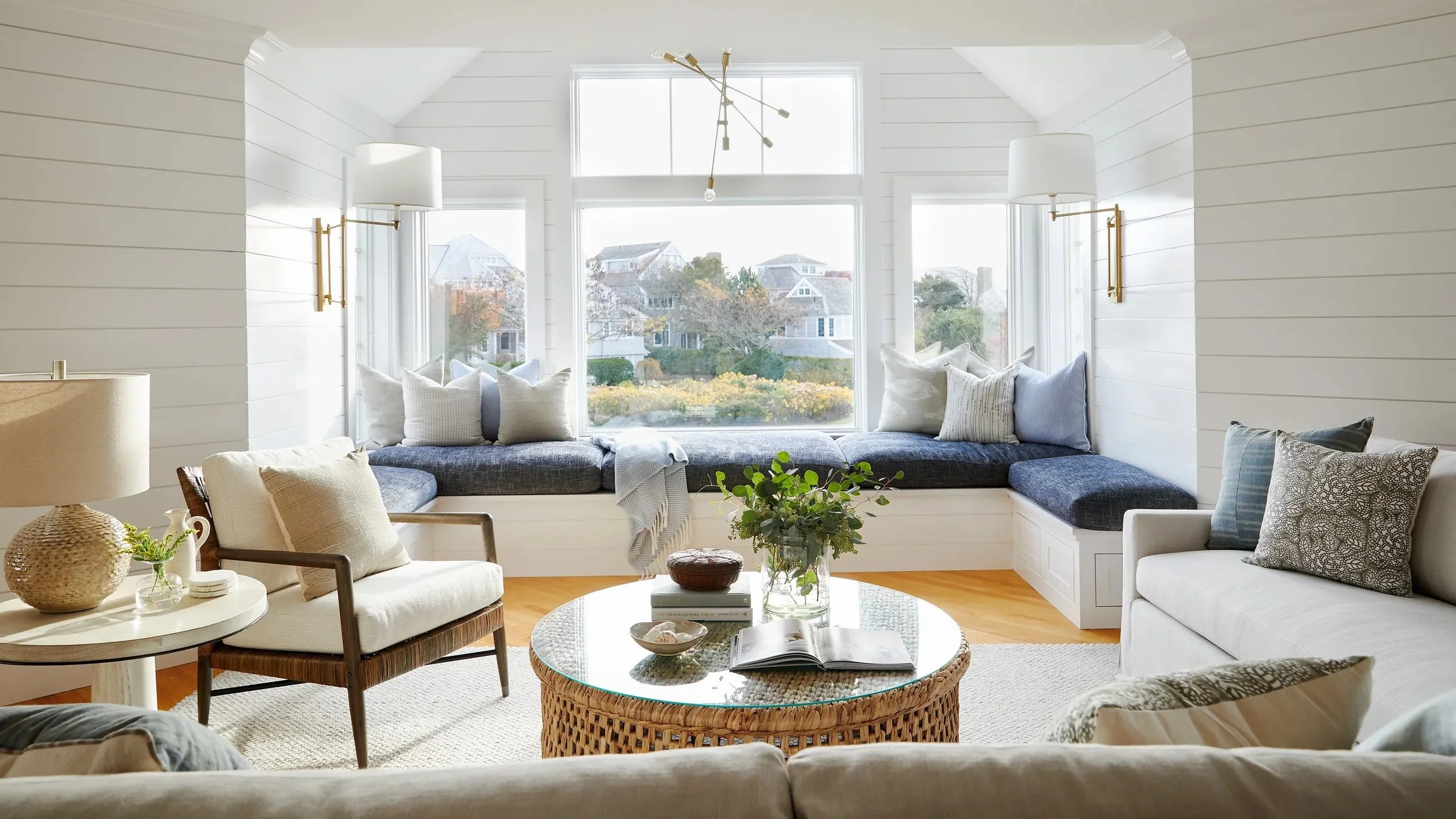
California Coastal trades the East Coast's crispness for something looser and sun-bleached. Palettes lean into warm neutrals, driftwood tones, and washed-out blues rather than crisp navy and white. Materials do a lot of the talking: rattan, linen, raw wood, plaster walls with texture left visible. The overall effect is relaxed, airy, and a little undone — a home that looks like it's been breathing in salt air for years.
Why we love it: It's coastal design without the cliché. No anchors-and-rope motifs, no navy stripes on repeat — just a genuine sense of ease. It photographs beautifully but, more importantly, it lives beautifully: barefoot-friendly, low-fuss, built for sandy feet and open windows.
Why it works in Annapolis: Annapolis is a boating town before it's anything else, and California Coastal captures that spirit without leaning on the literal nautical references that can feel dated on the Chesapeake. For waterfront homes, sunrooms, and screened porches, this style lets the water views do the visual work while the interior stays soft, warm, and unfussy.
Transitional
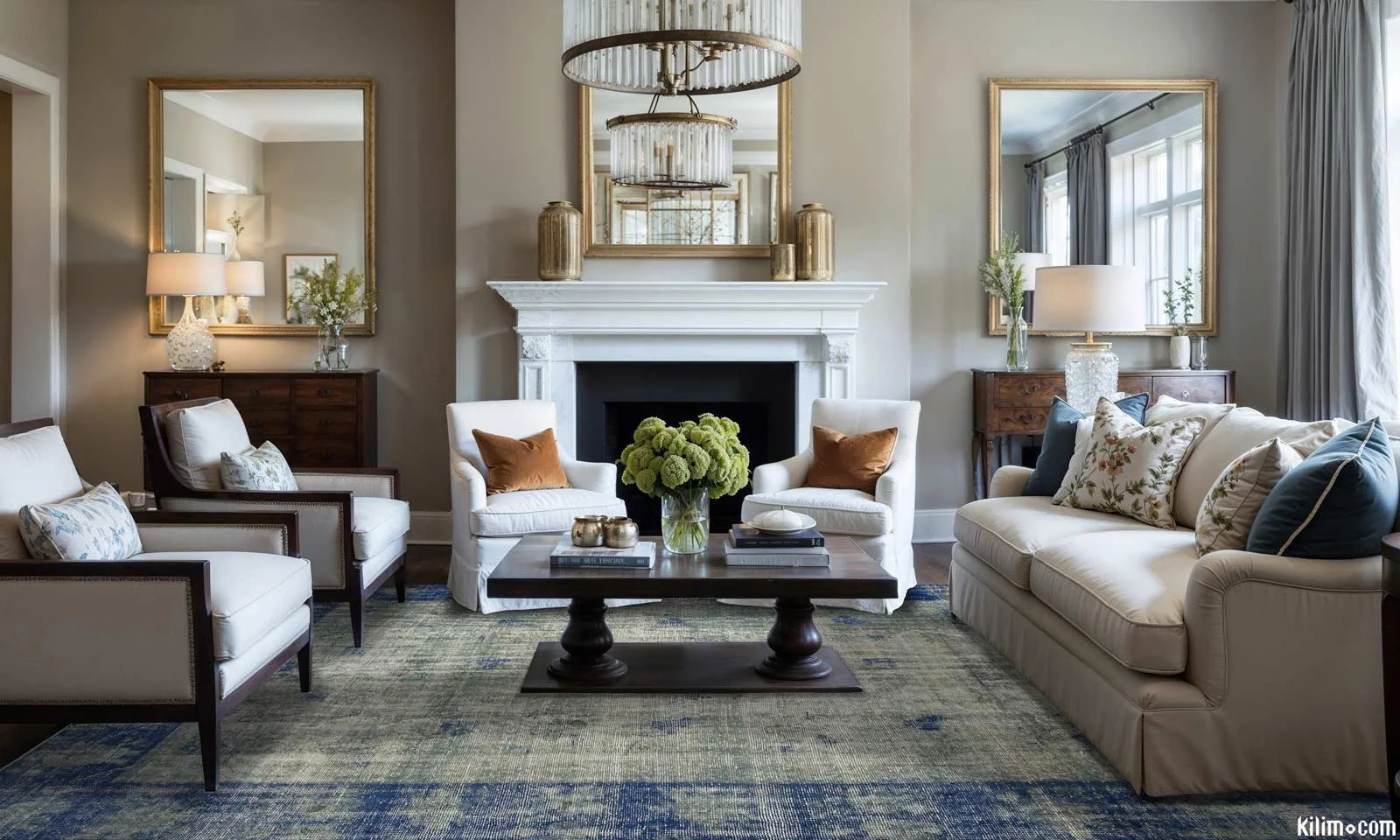
Transitional design is the bridge between traditional detailing and contemporary restraint. Classic bones — crown molding, wainscoting, substantial furniture silhouettes — get paired with cleaner lines, quieter palettes, and a much more editorial hand than a fully traditional room would allow. Ornamentation is used sparingly and intentionally rather than piled on.
Why we love it: Transitional is the most flexible style in our toolkit. It flatters a family that inherited beautiful antique pieces alongside a family that wants something entirely new but doesn't want a home that feels cold or trend-driven. It ages exceptionally well because it was never chasing a moment to begin with.
Why it works in Annapolis: So many Annapolis homes — particularly newer construction and thoughtfully renovated older properties — sit right at this intersection already: traditional millwork and proportions built within a more modern floor plan. Transitional design respects that architectural inheritance while giving homeowners room to live in a way that feels current. It's especially well-suited to clients who split their time between a formal downtown residence and a more relaxed second home.
Palm Beach
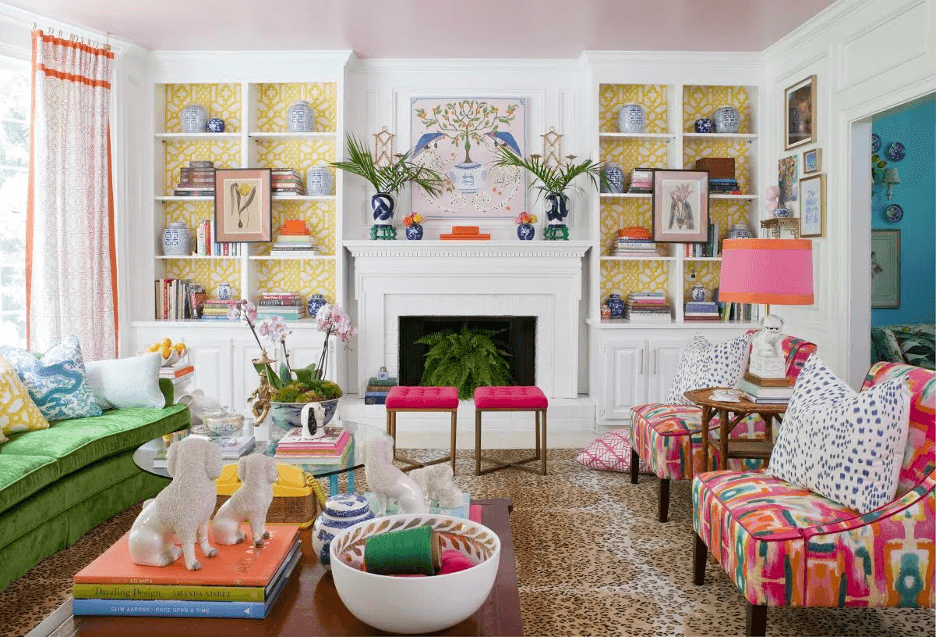
Palm Beach style is confident, colorful, and a little theatrical in the best way. Expect chinoiserie, rattan and bamboo detailing, bold botanical prints, lacquered surfaces, and a palette that isn't afraid of coral, kelly green, or citron. It's glamorous but never cold — there's warmth and humor built into the exuberance.
Why we love it: It gives us permission to be bold. Palm Beach interiors reward pattern-mixing and saturated color in a way few other styles do, and the results are joyful, memorable rooms that clients genuinely light up in. It's a style with personality, and it tends to produce homes that feel distinctly like their owners.
Why it works in Annapolis: Annapolis shares a surprising amount of DNA with Palm Beach — both are historic waterfront communities with a strong boating and country-club culture, formal social calendars, and a taste for entertaining. Palm Beach touches — a lacquered bar cart, a bold botanical wallpaper in a powder room, rattan dining chairs on a porch — bring warmth and wit to Annapolis's more buttoned-up architectural backdrop without ever feeling out of place.
Finding the Right Fit
Most of the homes we design don't live purely in one category — the best Annapolis interiors often borrow from two or three of these styles at once: the formality of Southern Traditional, the ease of Coastal, the restraint of Transitional, the color of Palm Beach. Our job is helping each client find where their home, their architecture, and their way of living intersect.
If you're not sure which direction feels right for your space, we'd love to talk it through.
xo, Tonya